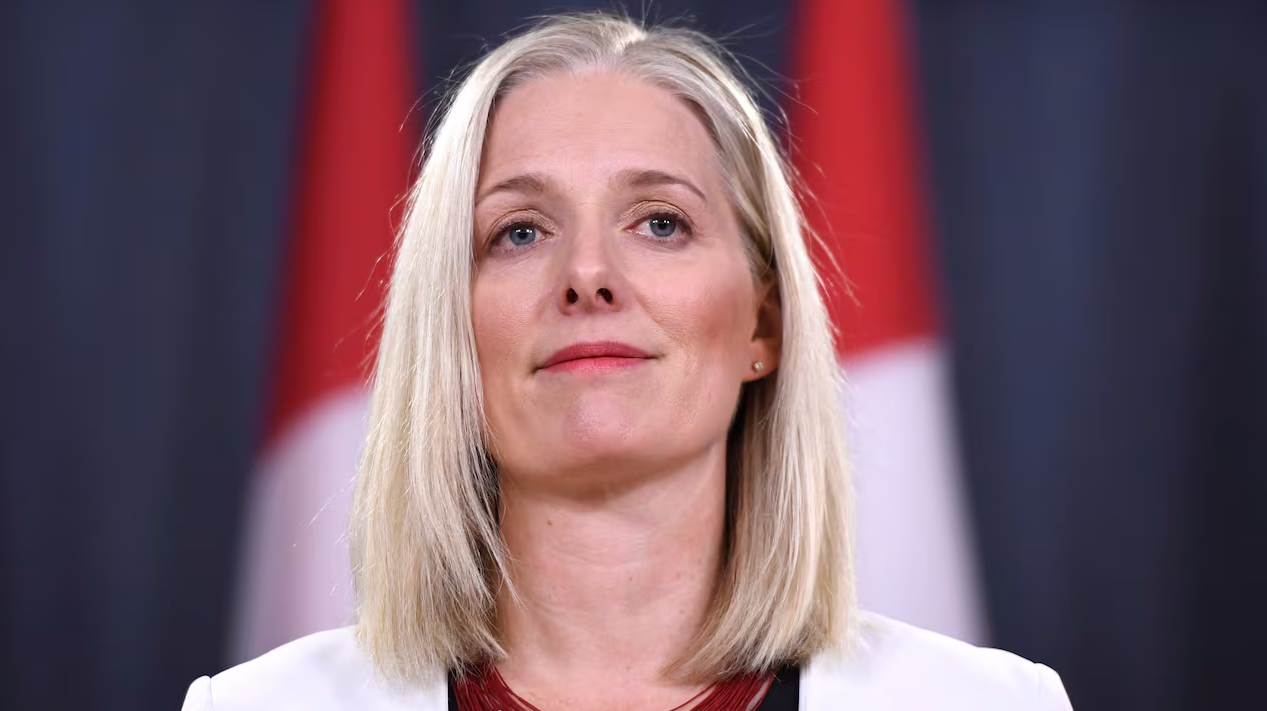
Points of Contention Among Lawmakers
-
Carbon Pricing
One of the most debated tools is the federal carbon pricing system, designed to incentivize reductions in emissions across sectors. Proponents argue that carbon pricing is economically efficient and encourages innovation, while opponents cite concerns about cost-of-living increases, particularly in provinces with energy-heavy industries. -
Transition Strategies for Fossil Fuel Industries
Policymakers are grappling with how to phase out fossil fuel dependence without triggering widespread job losses. Provinces reliant on oil and gas have pushed for gradual transitions and investment in retraining programs, while environmental advocates call for more immediate reductions. -
Renewable Energy Investment
Expanding renewable energy sources is a central pillar of federal climate policy. However, debates continue over funding, regional allocation, and the pace of infrastructure development. Critics argue that rapid deployment may not align with local energy needs or grid capabilities, whereas proponents emphasize urgency in the context of global climate trends. -
Regulatory Measures vs. Incentives
There is tension between using strict regulations versus financial incentives to reduce emissions. Industries argue that heavy-handed regulations could harm competitiveness, while environmental groups contend that incentives alone are insufficient to drive systemic change.
Scientific and Environmental Perspectives
Experts underscore the urgency of action. Canada is already experiencing significant climate impacts, including rising temperatures, increased flooding in urban centers, and shifting ecosystems in the north.
Advertising
Dr. Simone Laurent, a climate scientist at the University of Toronto, notes, “Every year of delayed action makes it harder to meet our targets and increases the long-term economic and social costs of climate change. Scientific evidence supports aggressive emissions reductions to limit global warming to 1.5°C above pre-industrial levels.”
Environmental organizations have called for stricter regulations on industrial emissions, increased support for clean energy technologies, and policies to promote energy efficiency in transportation, housing, and public infrastructure.
Economic Considerations
Economic concerns remain central to the debate. Industries such as oil, gas, and manufacturing contribute significantly to GDP and employment, making rapid changes politically sensitive. Conversely, renewable energy, green technology, and carbon reduction initiatives are seen as opportunities for economic growth and innovation.
Business groups have emphasized that any policy must balance environmental goals with economic competitiveness, particularly in global markets where energy costs and emissions regulations differ. The federal government faces pressure to create a framework that ensures both sustainability and economic stability.
Public Opinion and Regional Divides
Public sentiment in Canada reflects a mix of environmental concern and economic caution. National surveys indicate broad support for climate action, but opinions vary regionally:
-
Western Provinces: Greater resistance to rapid fossil fuel phase-out due to employment concerns.
-
Central and Eastern Provinces: Higher support for renewable energy investments and stricter emissions targets.
-
Northern Communities: Focus on climate adaptation, as these regions experience some of the most visible and severe impacts of warming.
Lawmakers must navigate these differences while building policies that meet federal targets and maintain public support.
Role of the Winter Session
The upcoming winter session of Parliament is expected to be pivotal. Legislators will debate bills related to carbon pricing, clean energy subsidies, infrastructure investments, and industrial emissions standards. Committees are scheduled to review reports from scientific bodies, economic advisors, and provincial representatives.
Key questions include:
-
How quickly can emission reductions be achieved without disproportionately affecting certain regions?
-
What mix of regulatory and incentive-based policies will effectively reduce emissions?
-
How will Canada ensure alignment with international commitments while addressing domestic economic concerns?
Observers anticipate vigorous debate and potential compromises, as lawmakers attempt to balance urgency with feasibility.
Industry and Advocacy Responses
Industry leaders are lobbying for clarity and stability in federal policy to guide long-term investments. Renewable energy companies emphasize the need for predictable incentives and support for infrastructure projects. Oil and gas representatives seek phased transition plans, retraining programs, and mechanisms to maintain competitiveness.
Environmental groups, including national NGOs and grassroots organizations, are pressing for bolder action. They argue that current targets and proposed measures may be insufficient to meet the scale of the climate challenge. Public campaigns, petitions, and community organizing are expected to influence legislative discussions.
International Context
Canada’s climate policies are evaluated not only domestically but also on the international stage. Global climate negotiations, including those under the United Nations Framework Convention on Climate Change (UNFCCC), put pressure on Canada to demonstrate progress. Failure to meet targets could affect trade relationships, international credibility, and participation in global climate initiatives.
Dr. Laurent emphasizes, “Canada has an opportunity to be a global leader in climate action, but the window for meaningful progress is narrowing. Winter session decisions will be closely watched internationally.”
Potential Outcomes
While the winter session is ongoing, analysts suggest several potential outcomes:
-
Strengthened Carbon Policies: Expansion of carbon pricing, stricter emissions regulations, and new incentives for clean energy.
-
Regional Compromises: Tailored approaches for provinces with different economic profiles, balancing reduction targets with economic support.
-
Investment in Green Infrastructure: Increased federal funding for renewable energy, public transit, and energy-efficient buildings.
-
Phased Transition Plans: Gradual reduction of fossil fuel dependence coupled with retraining programs for affected workers.
Each scenario carries implications for Canada’s environmental trajectory, economic landscape, and public perception.
Conclusion
The debate over federal climate targets highlights the complexity of policymaking in a diverse country like Canada. Balancing scientific urgency, economic realities, regional differences, and public expectations requires careful deliberation and strategic action. As Parliament enters its winter session, Canadians are watching closely, aware that decisions made now will shape the nation’s environmental and economic future for decades to come.
Dr. Laurent summarizes, “Climate policy is not only about emissions numbers—it’s about building a sustainable future that Canadians can live with and thrive in. The winter session presents a critical opportunity to take meaningful action, and the outcomes will have long-lasting effects.”
With public attention, industry engagement, and scientific guidance converging, the winter legislative session promises to be a defining moment in Canada’s ongoing effort to address climate change.