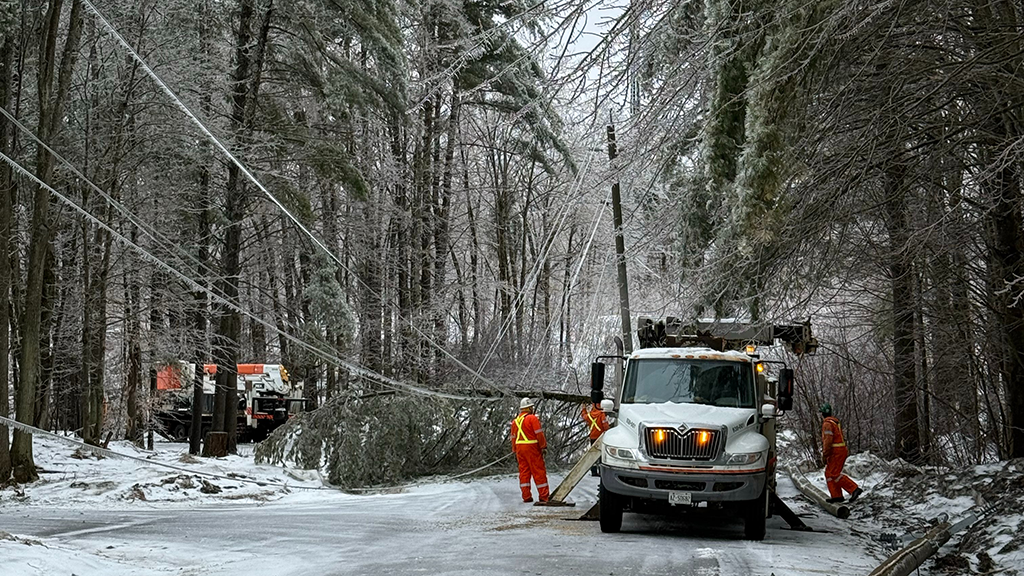
Canada’s winters are becoming increasingly unpredictable, and municipalities across the country are grappling with the effects of heavy storms on infrastructure. From snowstorms and ice events to sudden rainstorms and flooding, local governments face mounting pressure to maintain roads, utilities, and public services while protecting residents and minimizing economic disruption. The winter season, combined with climate-change-driven weather extremes, has made storm preparedness and post-storm recovery a top priority for municipal planners.
Advertising
The Growing Challenge of Extreme Winter Weather
Recent years have seen a noticeable increase in extreme weather events, with heavy snowfalls, freezing rain, and ice storms placing unprecedented stress on municipal infrastructure. According to Environment Canada, certain regions have experienced both higher snowfall totals and greater variability in winter temperatures, leading to rapid freeze-thaw cycles that damage roads, sidewalks, and underground utilities.
Municipal leaders face the dual challenge of ensuring public safety while maintaining the functionality of essential services such as water, electricity, transportation, and waste management. The winter months often exacerbate existing vulnerabilities, such as aging water mains, power lines, and roads that were not originally designed to handle current weather extremes.