
Home Health
Category:

Health

Advertising

For many Canadians, the holiday season is a period of joy, family gatherings, and festive traditions. Yet, it’s also a time when stress levels rise, routines are disrupted, and emotional well-being can be challenged. From last-minute shopping pressures to family dynamics and financial strains, the end-of-year period brings unique mental health considerations. Psychologists, counselors, and mental health experts are increasingly studying these patterns to help individuals navigate the season with greater resilience, understanding, and balance.


Understanding Holiday Stress

Holiday stress is a complex phenomenon. Unlike stressors that emerge from work or health issues, holiday-related stress often stems from social expectations, cultural rituals, and emotional memories.

Dr. Olivia Chen, a clinical psychologist in Vancouver, explains, “The holidays are a blend of joy and obligation. People often feel pressure to create ‘perfect’ experiences—perfect gifts, perfect meals, perfect family interactions. That pressure, combined with reduced daylight, colder temperatures, and financial strain, can trigger anxiety, irritability, and sadness.”

Research shows that while some individuals experience elevated mood and social connection during the holidays, others are at higher risk for mood disturbances, particularly those with pre-existing mental health conditions.

Pages: 1 2

Advertising

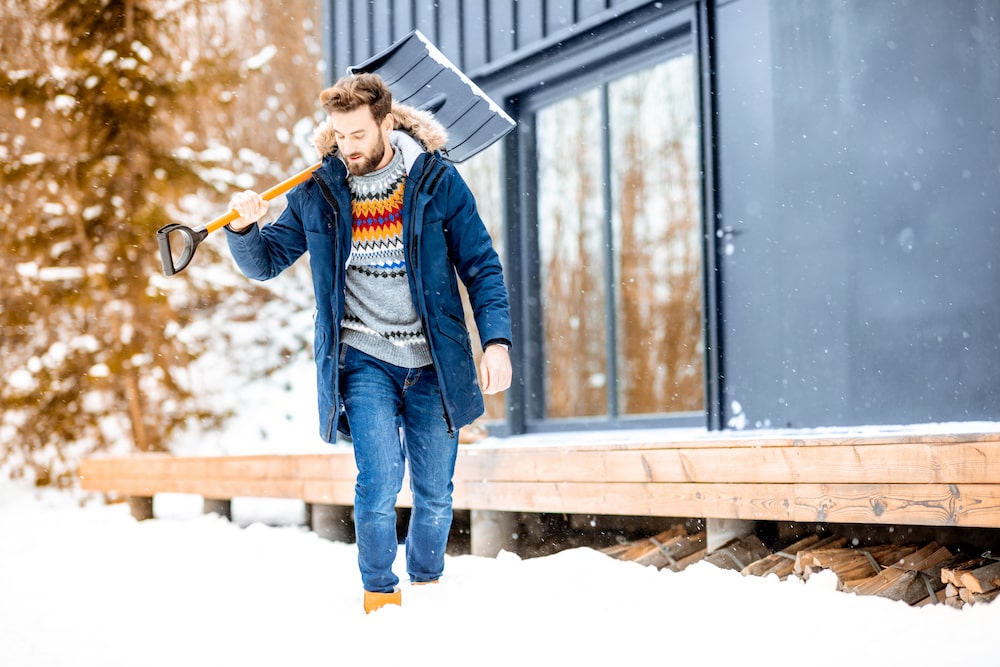
Winter in Canada comes with its own unique set of challenges. While snow-covered streets, frozen lakes, and festive landscapes are part of the season’s charm, the practical realities of cold weather often bring hidden risks—particularly when it comes to shovelling snow. Each winter, physiotherapists across the country see a spike in injuries related to snow removal, ranging from mild strains to serious musculoskeletal injuries. Understanding these risks, adopting proper techniques, and incorporating preventative measures can make snow-shovelling safer and help Canadians maintain mobility and strength during the season.


Why Snow-Shovelling Is Risky

At first glance, snow-shovelling may seem like a routine chore. However, it is a physically demanding activity that involves repetitive bending, twisting, and lifting—movements that can strain muscles and joints if performed incorrectly.

Dr. Emily Hartman, a physiotherapist in Toronto, explains, “Shovelling snow combines aerobic effort with high-intensity lifting and twisting. Many people don’t warm up beforehand or use proper body mechanics, which increases the risk of injury, particularly to the back, shoulders, and knees.”

In addition, cold temperatures can affect muscle elasticity. Cold muscles and joints are more prone to strains and sprains, and icy surfaces increase the likelihood of slips and falls. Even seemingly healthy individuals may find themselves injured if precautions aren’t taken.

Pages: 1 2

Advertising

Winter in Canada brings its own rhythm and challenges for maintaining health. With shorter days, colder temperatures, and fewer fresh local produce options, it’s easy for daily nutrition to fall by the wayside. Yet, a well-balanced winter diet isn’t just about filling the stomach—it’s about maintaining energy, supporting the immune system, and keeping mood and cognitive function stable during the darker months. Nutritionists across the country emphasize that careful planning, seasonal choices, and mindful eating can make winter both nourishing and enjoyable.


Why Winter Nutrition Matters

The human body responds differently in colder months. Lower temperatures increase metabolic demands as the body works to maintain warmth. Additionally, reduced sunlight can affect vitamin D levels and circadian rhythms, contributing to fatigue or mood fluctuations. A diet that addresses these challenges is more than sustenance—it’s preventative health care.

Registered dietitian Dr. Laura McIntyre explains, “Winter diets should focus on supporting the immune system, maintaining stable energy levels, and promoting mental wellness. This means emphasizing nutrient-dense foods, seasonal vegetables and fruits, adequate protein, and healthy fats, while still allowing room for comfort foods that satisfy and energize.”

Pages: 1 2

Advertising

As winter deepens across Canada, many people find themselves spending more time indoors. Cold weather, snow, and shorter daylight hours often lead to reduced physical activity and a tendency to hunker down at home. Yet, research and anecdotal experience suggest that taking outdoor walks, even in low temperatures, can have profound effects on both mood and energy levels. From the crisp air of Vancouver to the snow-covered streets of Quebec City, Canadians are discovering that winter walks are more than just a way to get from point A to point B—they can be a powerful tool for mental and physical well-being.


The Science Behind Cold-Weather Walks

Exposure to cold air triggers physiological responses that can influence energy and mood. When the body is exposed to colder temperatures, it works harder to maintain its core temperature. This activates the sympathetic nervous system, increasing heart rate and circulation. Additionally, cold exposure stimulates the production of norepinephrine, a neurotransmitter that helps regulate mood and focus.

Dr. Michelle Lavoie, a behavioral health specialist in Montreal, explains, “Moderate exposure to cold can act like a natural stimulant. It increases alertness, improves circulation, and can elevate mood by releasing endorphins. A short walk in winter can make people feel more awake and mentally clear, even when the weather outside feels harsh.”

Moreover, low-temperature walks often involve increased oxygen intake. Brisk walking in the cold encourages deeper breaths, supplying the brain with oxygen that improves concentration and cognitive function. Even short periods of outdoor activity can provide a noticeable boost in mental energy and motivation.

Pages: 1 2

Advertising

As winter deepens across Canada, healthcare professionals are turning their attention to a familiar but evolving challenge: seasonal respiratory illnesses. From influenza and respiratory syncytial virus (RSV) to the ongoing circulation of COVID-19 and common cold viruses, doctors are closely monitoring patterns that impact Canadians differently depending on geography, age, and underlying health conditions. Understanding these trends is critical not only for managing individual health but also for public health planning, hospital readiness, and preventative strategies.


Winter: A Season for Respiratory Illnesses

Respiratory infections tend to spike during the colder months. Dr. Samantha Greene, an infectious disease specialist in Toronto, explains, “Colder weather pushes people indoors, increasing close contact. Dry indoor air can irritate mucous membranes, making it easier for viruses to take hold. Combine that with decreased daylight and immune system modulation due to seasonal changes, and you get a perfect storm for respiratory illnesses.”

These seasonal shifts are consistent across the country, though each region experiences them differently. In the Atlantic provinces, cold winds and storm-related isolation can exacerbate infections. Prairie winters, with their extreme temperatures, often see clustered outbreaks in schools and community centers. Meanwhile, urban centers like Vancouver and Toronto see milder weather but dense populations that allow viruses to spread rapidly.

Pages: 1 2

Advertising