Home Showbusiness
Category:

Showbusiness

Advertising

When the first teaser appeared on social media—a simple black screen with the words “One night. One stage. One future.”—most people didn’t yet understand what was coming. Within hours, the post began ricocheting across Canadian timelines, shared by indie guitarists from Halifax, DJ collectives in Montréal, classical ensembles in Toronto, folk duos in Winnipeg, and rock bands rehearsing in someone’s chilly Vancouver garage. What began as a quiet whisper quickly grew into one of the most anticipated music events of the year: a country-wide charity concert dedicated to supporting youth arts programs.

The idea started, not with a major label or a national foundation, but with a conversation in a Toronto rehearsal room. According to several musicians involved, the spark came during a late-night break at a recording studio, where artists from different genres had coincidentally booked adjacent rooms. Someone mentioned how many local youth arts centers were struggling—cutbacks, rising costs, limited access to instruments, long waiting lists for music classes. Others added stories from their hometowns. A couple of phone calls later, the scattered chats coalesced into a shared mission: bring the country’s musicians together, not for publicity or awards, but for the next generation of creators.

A National Collaboration in the True Canadian Spirit

What followed over the next three months is something organizers are still trying to wrap their heads around. Rather than a traditional lineup curated by a central authority, artists volunteered themselves and recommended others. Folk singers nominated hip-hop acts. String quartets asked to collaborate with electronic producers. Métis drummers proposed opening the event with a collaborative piece that welcomes the audience in the spirit of community. The diversity within the music scene—something Canada prides itself on—became not just a feature of the show but the foundation of its identity.

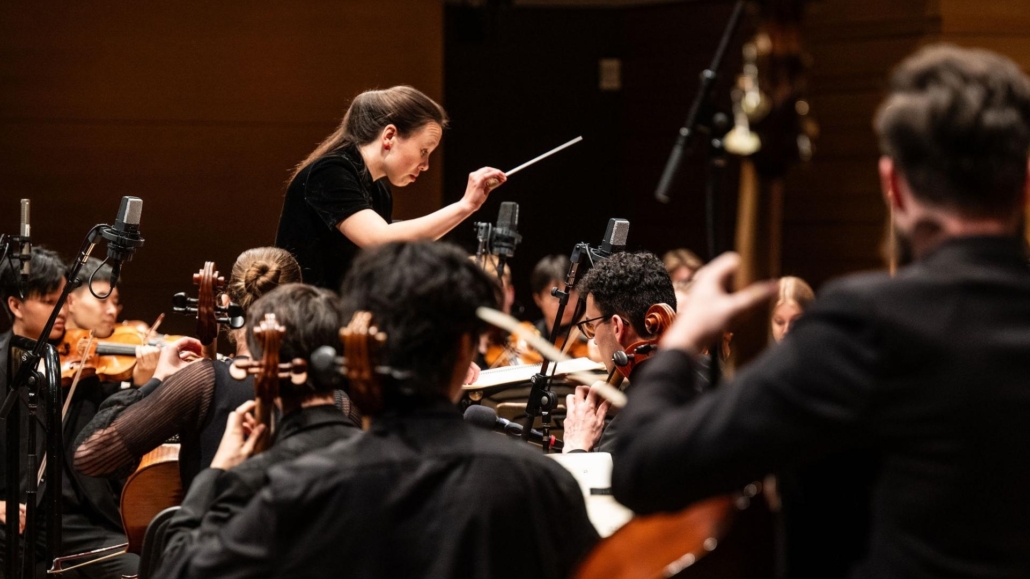
The final lineup reads like a map of the country. East Coast icons are set to perform Celtic-inspired sets infused with contemporary jazz elements. Indigenous musicians from multiple nations will take the stage with new pieces created specifically for the event. Manitoba’s rising R&B talents will pair with spoken-word poets. Alberta rockers plan to debut a long-form collaborative track featuring instruments sourced from local youth centers. And in a move that surprised even the organizing team, three major Canadian orchestras agreed to join forces for a finale piece that merges classical composition with modern production.


Pages: 1 2

Advertising

For decades, Vancouver has been a reliable production hub for television and film, especially for projects that require atmospheric forests, dramatic coastlines and a flexible urban landscape. But in recent years, the city has taken on a reputation that extends far beyond its scenic beauty: it has become one of the most active centres for science fiction television anywhere in North America. Shows featuring alien civilizations, time-traveling detectives, futuristic megacities and dystopian rebellions are now filmed against Vancouver’s misty mountains and sleek downtown architecture with surprising frequency.

Behind this rise is a combination of location advantages, technical innovation, creative talent and a deeply rooted production culture that has learned how to adapt to the rapidly evolving demands of genre storytelling. Whether it’s the construction of elaborate sets, the coordination of complex visual-effects teams or the casting of performers skilled at navigating emotionally dense, high-concept scenes, Vancouver’s sci-fi scene thrives on collaboration.

A City Naturally Suited for Futuristic Worlds

One of the reasons Vancouver has become synonymous with science fiction is its unique physical landscape. The city offers a blend of modern glass towers, rainy streets, industrial zones and lush forests — making it a flexible backdrop for a huge range of imaginary worlds.

A director who recently shot a mystery-driven sci-fi series described Vancouver as “a place where you can film a quiet neighbourhood in one direction and a skyline straight out of a speculative future by turning the camera slightly to the left.” The ability to shift visual tones without moving entire production caravans allows crews to work efficiently, saving time and energy.

Nearby regions add even more possibilities. Old military bunkers along the coastline become research facilities experimenting with strange phenomena. Rocky beaches turn into alien landing sites. Dense forests outside the city double as off-world terrain or dangerous parallel-dimension zones. And without travelling far, productions can reach snowy peaks, fog-shrouded valleys and abandoned industrial sites — all of which fuel the creative flexibility that sci-fi demands.

Pages: 1 2

Advertising

In recent years, national award ceremonies across Canada and other countries have undergone a quiet but meaningful transformation. Once dominated by mainstream pop culture and a narrow set of creative influences, these ceremonies are now highlighting a wider range of artistic expressions. Among the most impactful developments is the growing presence of Indigenous artists who are bringing fresh perspectives, powerful stories and a renewed sense of cultural breadth to stages that once offered them limited space.

This shift is neither sudden nor accidental. It reflects years of work by local communities, advocacy organizations, broadcasters and creators themselves, all pushing toward greater representation, fair recognition and opportunities for artists whose voices have long been underrepresented. As a result, national award shows are becoming spaces where Indigenous musicians, filmmakers, designers and performers can be seen and heard by broad audiences, introducing cultural narratives that deepen the emotional richness of these events.

A Turning Point in Visibility

For decades, Indigenous creators shaped regional arts scenes yet rarely appeared on televised award stages. Even when their work gained dedicated followers, it often remained outside the national spotlight, limited by structural barriers in the industry. In recent years, however, several factors have changed this dynamic: the growth of community-led arts programs, greater public interest in Indigenous storytelling, and national conversations about cultural responsibility.

This year’s awards season revealed the progress clearly. Musicians performing in Cree, Inuktitut, Ojibwe and other Indigenous languages graced main stages — not as ceremony openers positioned before primetime, but as central performers. Filmmakers and actors received nominations in major categories rather than special or isolated ones. Fashion designers presented clothing and accessories inspired by land and heritage during live broadcasts, receiving enthusiastic responses from viewers.

These moments aren’t symbolic gestures. They demonstrate a shift in how audiences and institutions appreciate the complexity, innovation and humanity within Indigenous art.

Pages: 1 2

Advertising

Over the past decade, streaming platforms have transformed the global entertainment landscape, but one corner of the industry that has undergone particularly striking changes is local comedy. What once relied heavily on regional broadcast slots, intimate club circuits and modest budgets is now reaching broader audiences, drawing new talent and benefiting from creative freedom that was difficult to achieve in traditional formats. Across Canada, the United States, the UK and many other regions, streaming has effectively pulled back the curtain for local comedians and small production teams, offering them opportunities that were unimaginable just a few years ago.

The shift isn’t simply about exposure. It’s about the way comedies are conceived, produced, shared and enjoyed. Streaming platforms have encouraged longer-form experimentation, revitalized sketch genres, provided a home for culturally specific humour and opened the door to collaborations that cross borders. As a result, local comedy has evolved into a richer and more varied ecosystem, no longer constrained by geography or narrow broadcast expectations.

A Broader Stage for Local Voices

Until recently, local comedy scenes were often known only to the audiences physically present in the region. A Toronto improv group, a Montreal sketch collective or a Halifax stand-up roster could build loyal followings, but their reach didn’t extend far beyond city limits unless a network took a chance on them. Now, streaming platforms are serving as a launchpad, giving these creators visibility both nationally and internationally.

For many comedians, short-format video services have provided an unexpected route to recognition. A two-minute character sketch filmed in a living room can attract millions of views within days. In some cases, platforms have noticed and reached out to creators directly, inviting them to develop pilots or mini-series. The relatability of local humour — jokes about neighbourhood quirks, winter traditions, or daily public transit challenges — has proven surprisingly universal when delivered through the accessible language of short-form comedy.

Meanwhile, long-form streaming services have taken an interest in regional storytelling. A small production team from Winnipeg, for example, recently found success with a mockumentary series depicting life in a fictional prairie town. The show mixes subtle observational humour with affectionate portrayals of community life. Within weeks of its regional release, the series attracted attention from Western European viewers who recognized echoes of their own small-town experiences. This kind of cross-border resonance would have been far harder to achieve through traditional distribution.

Pages: 1 2

Advertising

In recent years, the winter festival circuit has evolved into a surprisingly powerful stage for filmmakers who don’t always receive the same visibility at the larger, warmer-season events. And this year, Canadian creators seem to be experiencing a particularly bright moment. From icy European towns transformed into cinema hubs to North American festivals held in snow-covered mountain regions, Canadian films and their makers are drawing attention not only for technical skill but also for the emotional depth and cultural range of their work.

The international interest didn’t appear out of nowhere. It is the result of years of patient development in local film communities, collaborative programs that support Indigenous storytellers, and a growing curiosity abroad about narratives emerging from Canada’s diverse regions. The winter festivals — smaller in scale but high in prestige and taste-making power — have become fertile ground for these voices.

A Season of Distinctive Voices

One of the most discussed works on the winter circuit is a quiet drama from Nova Scotia, filmed almost entirely on the fog-heavy coastline. Rather than leaning on typical genre structure, the film unfolds through subtle character moments, carried by long takes and a soft visual palette reminiscent of early spring mornings. Audiences abroad have found this approach refreshing, especially in a season when many festivals are dominated by louder, award-positioned productions. Critics in Switzerland and Norway praised the film’s sense of place, noting how the maritime environment becomes a character in itself.

Another strong contender comes from the Prairies, where a team of young filmmakers explored themes of belonging and generational memory through a story set in a small farming town. Its reception in European markets was notable: viewers connected with its understated emotional rhythm and its depiction of rural family dynamics. The authenticity of the setting — wide fields, muted skies and sparse winter colours — added a distinctive texture rarely seen in international festival selections. Several festival programmers highlighted the film’s ability to find beauty in simplicity.

Pages: 1 2

Advertising