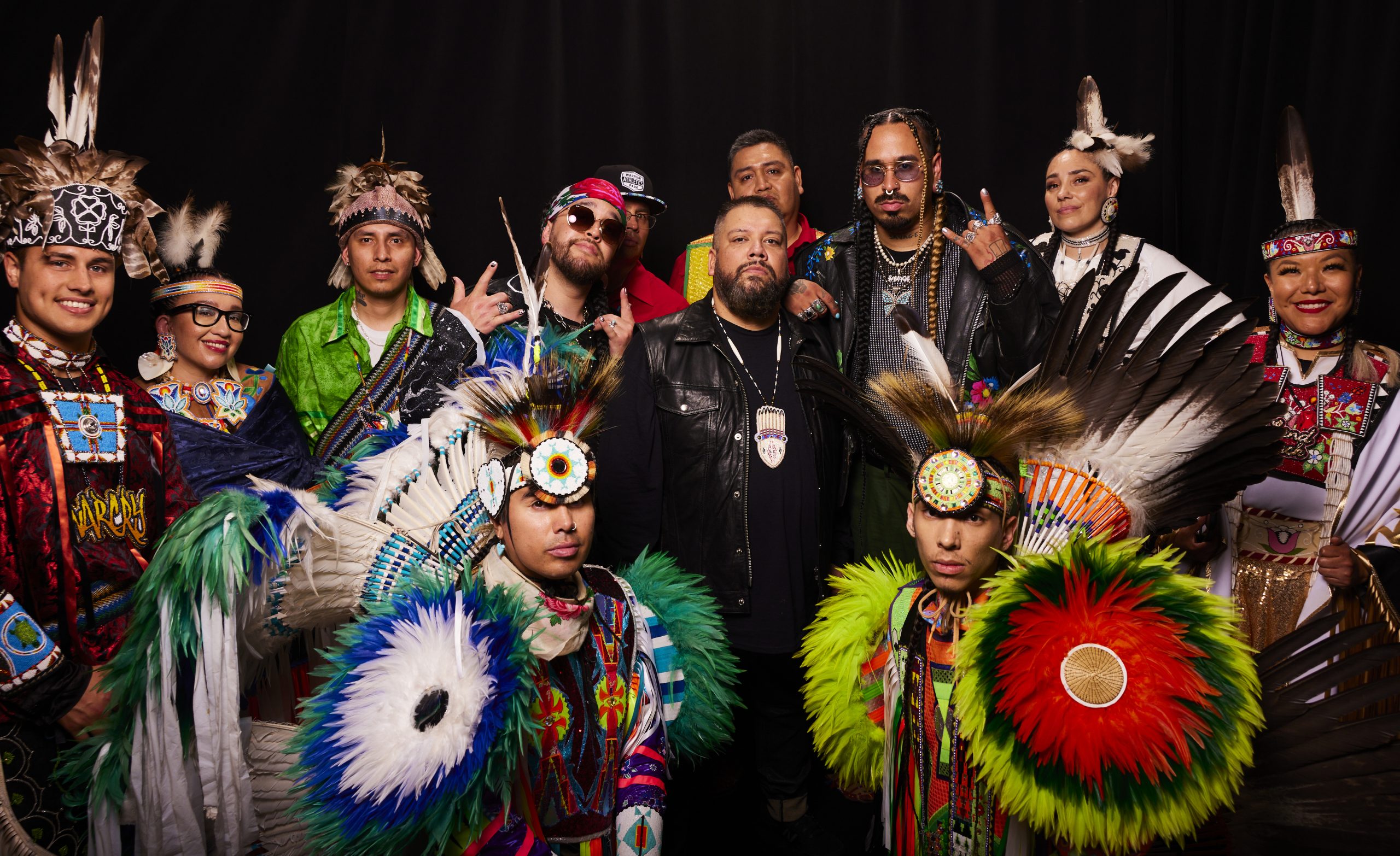
In recent years, national award ceremonies across Canada and other countries have undergone a quiet but meaningful transformation. Once dominated by mainstream pop culture and a narrow set of creative influences, these ceremonies are now highlighting a wider range of artistic expressions. Among the most impactful developments is the growing presence of Indigenous artists who are bringing fresh perspectives, powerful stories and a renewed sense of cultural breadth to stages that once offered them limited space.
Advertising
This shift is neither sudden nor accidental. It reflects years of work by local communities, advocacy organizations, broadcasters and creators themselves, all pushing toward greater representation, fair recognition and opportunities for artists whose voices have long been underrepresented. As a result, national award shows are becoming spaces where Indigenous musicians, filmmakers, designers and performers can be seen and heard by broad audiences, introducing cultural narratives that deepen the emotional richness of these events.
A Turning Point in Visibility
For decades, Indigenous creators shaped regional arts scenes yet rarely appeared on televised award stages. Even when their work gained dedicated followers, it often remained outside the national spotlight, limited by structural barriers in the industry. In recent years, however, several factors have changed this dynamic: the growth of community-led arts programs, greater public interest in Indigenous storytelling, and national conversations about cultural responsibility.
This year’s awards season revealed the progress clearly. Musicians performing in Cree, Inuktitut, Ojibwe and other Indigenous languages graced main stages — not as ceremony openers positioned before primetime, but as central performers. Filmmakers and actors received nominations in major categories rather than special or isolated ones. Fashion designers presented clothing and accessories inspired by land and heritage during live broadcasts, receiving enthusiastic responses from viewers.
These moments aren’t symbolic gestures. They demonstrate a shift in how audiences and institutions appreciate the complexity, innovation and humanity within Indigenous art.