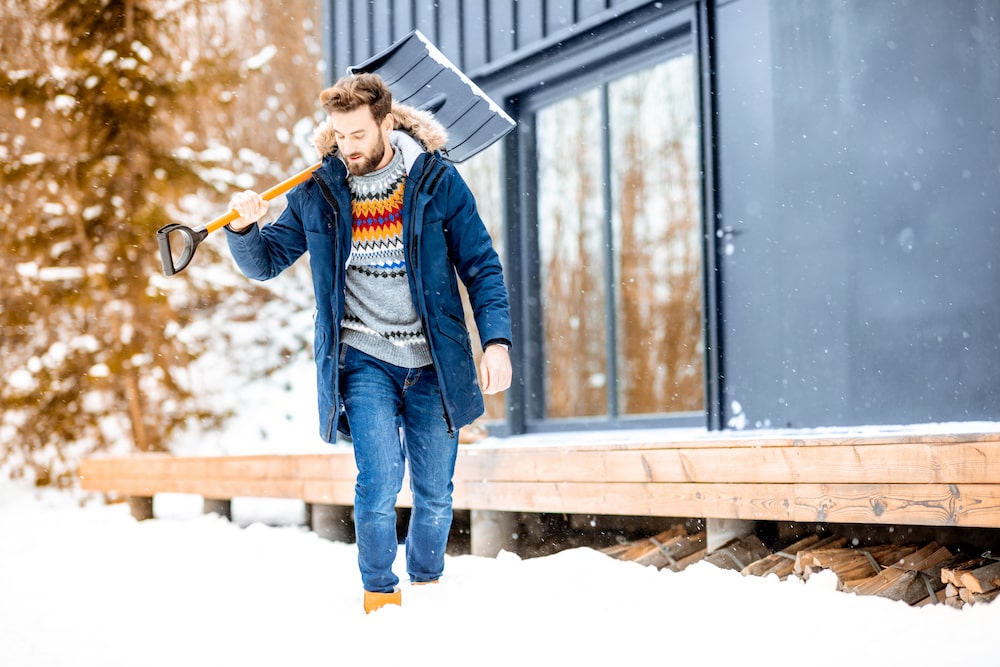
Common Snow-Shovelling Injuries
Physiotherapists frequently encounter specific types of injuries during the winter months:
Advertising
-
Lower Back Strains
One of the most common complaints, lower back strain occurs when people bend at the waist and lift heavy snow without engaging core muscles properly. Rapid, repetitive lifting can overload spinal muscles and ligaments, leading to soreness or acute injuries. -
Shoulder and Neck Injuries
Snow removal often involves lifting snow above waist level or twisting with a shovel, which can strain shoulder muscles and neck tendons. Rotator cuff injuries are particularly common among older adults or those using heavy metal shovels. -
Knee and Hip Strain
Twisting while lifting snow can stress the knees and hips, especially when uneven surfaces or ice are present. Individuals with pre-existing joint conditions may be particularly vulnerable. -
Wrist and Hand Injuries
Prolonged gripping of a shovel handle, particularly in cold weather, can lead to tendonitis or repetitive strain injuries in the wrists and hands. -
Slips, Trips, and Falls
Ice and compacted snow increase the risk of falls, which can result in fractures, sprains, or head injuries. Proper footwear and careful movement are essential to minimize these risks.
Preventative Measures: Preparing for Snow-Shovelling
Physiotherapists recommend a combination of preparation, technique, and protective equipment to prevent injuries:
-
Warm Up Before Shovelling
Gentle stretching and light movement can increase blood flow and prepare muscles for the effort ahead. Dynamic stretches targeting the legs, back, and shoulders are particularly effective. -
Use Proper Body Mechanics
-
Bend your knees, not your back, when lifting snow.
-
Keep the shovel close to your body.
-
Avoid twisting your torso—pivot your feet instead.
-
Lift small amounts of snow at a time rather than overloading the shovel.
-
-
Choose the Right Shovel
-
Lightweight shovels reduce strain.
-
Ergonomic handles can minimize wrist stress.
-
Plastic or composite shovels are often easier to maneuver than metal ones, especially in wet, heavy snow.
-
-
Pace Yourself
Shovelling can be intense, especially during heavy snowfall. Take frequent breaks, hydrate, and avoid rushing. Overexertion is a leading cause of sudden cardiac events in winter, particularly for older adults. -
Dress Appropriately
Layered clothing maintains warmth while allowing freedom of movement. Insulated gloves improve grip and reduce cold-related hand stiffness. Proper footwear with traction reduces slip hazards.
Special Considerations for At-Risk Populations
Certain individuals face higher risks when shovelling snow:
-
Older Adults: Reduced muscle mass, joint stiffness, and balance issues increase injury risk. Shovelling should be light and may be best delegated if snowfall is heavy.
-
Individuals with Cardiovascular Conditions: Snow-shovelling is vigorous exercise that can elevate heart rate and blood pressure. Consultation with a doctor is recommended.
-
People with Previous Injuries: History of back, knee, or shoulder injuries increases the likelihood of re-injury. Proper technique and lighter loads are critical.
For high-risk individuals, physiotherapists often suggest alternative strategies such as snow blowers, community clearing services, or spreading out snow removal over several days.
Post-Shovelling Care and Recovery
Even with proper technique, muscles may be sore after snow removal. Physiotherapists recommend:
-
Gentle Stretching: Focus on back, shoulders, and legs to reduce stiffness.
-
Heat Therapy: Warm baths or heating pads can soothe sore muscles.
-
Hydration and Nutrition: Supporting muscle recovery with water, protein, and anti-inflammatory foods aids healing.
-
Monitoring for Injury: Pain that persists beyond 48 hours, swelling, or sharp joint pain may require professional evaluation.
Dr. Hartman notes, “Early recognition of strain or overuse injuries prevents chronic problems. Don’t ignore lingering discomfort—it’s often a signal your body needs rest or targeted therapy.”
Incorporating Preventative Strength Training
Physiotherapists emphasize that regular strength and flexibility exercises reduce the risk of snow-shovelling injuries. Core, leg, and upper-body conditioning improves endurance and makes lifting safer. Suggested exercises include:
-
Squats and lunges for legs and hips
-
Planks and bridges for core stabilization
-
Shoulder presses and rows for upper-body strength
-
Balance exercises to prevent slips and falls
Even short, consistent workouts before winter can significantly decrease the likelihood of injuries during snow removal.
Community and Safety Strategies
Many communities in Canada recognize the risks associated with snow removal. Some municipalities provide snow-clearing services or community volunteer programs, especially for seniors. Physiotherapists encourage leveraging these resources to reduce strain, particularly during heavy snowfall or icy conditions.
Safety reminders also include:
-
Walking paths cleared regularly to prevent ice buildup
-
Using salt or sand on driveways for traction
-
Encouraging neighbors to share tips and assist those at higher risk
Conclusion
Snow-shovelling is more than a seasonal chore—it is a physically demanding activity that carries real risks. Physiotherapists across Canada consistently see winter injuries caused by improper lifting, overexertion, and slips on ice. By combining proper preparation, correct technique, suitable equipment, and post-activity care, Canadians can reduce their risk of injury while maintaining independence and enjoying winter activities.
As Dr. Hartman emphasizes, “Snow-shovelling injuries are preventable. A little preparation, mindfulness about body mechanics, and attention to personal risk factors can make all the difference. Winter should be about enjoying the season safely, not recovering from preventable injuries.”
For families, seniors, and anyone clearing driveways or walkways, taking these precautions seriously ensures that winter remains a time of outdoor enjoyment rather than unexpected physiotherapy visits.