Batch Cooking: A Winter Classic That Never Lost Its Charm
One of the most enduring habits across Canada during winter is batch cooking. This isn’t about clinical meal prep with ten identical containers, but rather about filling a pot with an intentionally generous amount of food. Stews, lentil dishes, chili, casseroles, vegetable bakes, and roasted chicken trays often become multi-day staples.
Advertising
What makes batch cooking valuable for reducing waste is its built-in flexibility. Most large dishes are forgiving when it comes to ingredient substitutions. Wilted spinach? Throw it in. Half a pepper left from last week’s fajitas? Dice it and toss it into the skillet. A single carrot lingering in the crisper drawer? Perfect for soup.
Many Canadians describe batch cooking not as a strategy but as a comforting winter ritual—a way to feel prepared for the week while avoiding forgotten produce in the back of the fridge.
The Power of Freezing: A Tool Canadians Use Constantly
Freezing plays a central role in how households navigate long winters. Freezers in many Canadian homes hold everything from homemade broth to half-finished bags of vegetables to containers of fruit about to turn soft.
One of the simplest waste-reducing habits is freezing ingredients before they reach a point of no return. Bananas headed past their prime get peeled and stored for smoothies or baking. Fresh herbs are chopped and frozen in olive oil in ice cube trays. Bread gets sliced and frozen long before it goes stale. Even small portions of leftover meals—too little to feed a full family—get frozen and later transformed into lunches or additions to new dishes.
And perhaps the most underrated part of freezing: safeguarding prepared ingredients. Many Canadians chop onions, garlic, celery, ginger, or peppers and freeze them in flat bags. These prepped vegetables reduce the temptation to order takeout on busy cold nights and ensure ingredients don’t sit forgotten in the fridge.
Smart Winter Shopping: Savouring What Lasts
During the colder months, certain ingredients naturally fit into waste-conscious cooking. Canadians across regions often rely on:
-
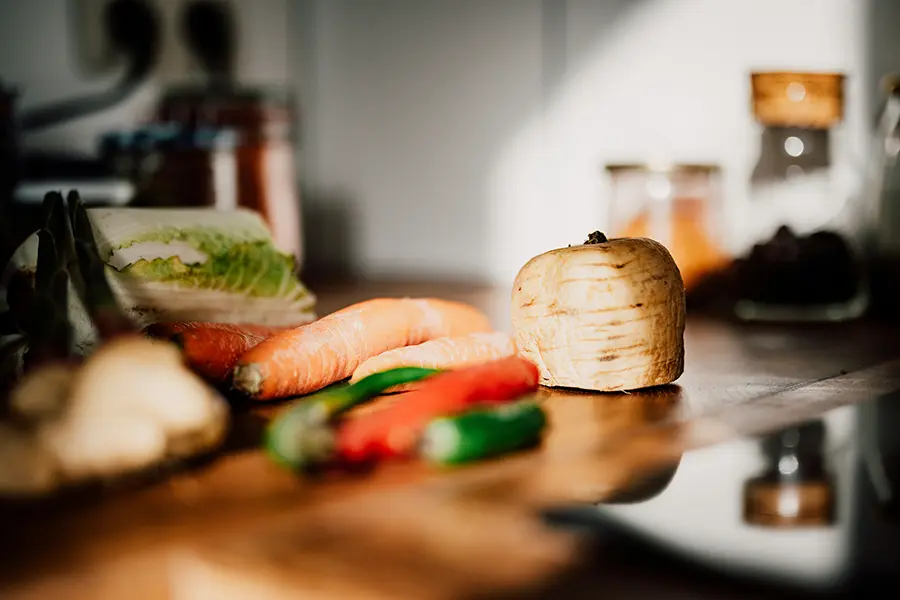
Root vegetables like carrots, potatoes, beets, and parsnips
-
Cabbage, turnips, and leeks
-
Apples and pears, which stay fresh for a long time when stored properly
-
Winter squashes such as butternut, acorn, and kabocha
-
Frozen produce, which keeps for months without losing much quality
Shopping with these staples in mind doesn’t eliminate variety—it simply ensures the base of each week’s meals is dependable. Canadians often add fresh greens, berries, and seasonal touches around these longer-lasting foods, creating a balance between practicality and flavour.
Rediscovering Traditional Wisdom
In many households, especially those with deep cultural roots, winter food habits draw on traditions older than the country itself. Immigrant communities, Indigenous families, and long-established rural households all carry knowledge that naturally reduces waste.
For example:
-
Indigenous communities have long emphasized preserving foods through drying, smoking, fermenting, and storing ingredients in ways that respect the land’s cycles.
-
Eastern European Canadian families often rely on sauerkraut, pickled vegetables, and hearty grains.
-
Many Asian Canadian households use broth-based cooking, stir-fries, and rice dishes that transform leftovers into satisfying meals.
-
French Canadian cuisine includes stews like tourtière-inspired fillings and slow-cooked beans that use up small amounts of meat and vegetables.
These food traditions weren’t created to be trendy. They developed because they worked. And today, Canadians integrating these practices find they naturally decrease waste without sacrificing flavour or cultural identity.
Knowing How to Store Ingredients (And Where People Go Wrong)
A surprisingly large portion of winter waste can be traced to improper storage. Canadians are becoming more aware of how small adjustments can significantly extend the life of groceries.
For instance:
-
Carrots stay crisp and fresh for weeks wrapped in a slightly damp cloth inside a sealed container.
-
Apples and potatoes shouldn’t be stored together—one releases gas that affects the other.
-
Herbs last much longer when stored in glass jars with a bit of water, like miniature bouquets.
-
Lettuce stays crisp if washed, dried thoroughly, and wrapped in a cotton cloth.
-
Mushrooms prefer breathable bags, not sealed plastic.
These small details make winter groceries stretch further, especially in remote regions where shopping trips may be spaced out by weather conditions.
Turning Leftovers Into Something Entirely New
Canadians have become creative with leftovers, especially during the cold season. Instead of reheating meals exactly as they were, households reinvent them:
-
Roasted vegetables become fillings for wraps.
-
Leftover chicken finds new life in risotto or pot pies.
-
Mashed potatoes transform into pancakes or shepherd’s pie topping.
-
Cooked grains turn into stir-fries, salads, or warm breakfast bowls.
-
Overripe fruit becomes compote for pancakes or yogurt.
This approach turns leftovers into an opportunity rather than a burden.
Community Exchange and Local Initiatives
While many food-saving habits happen inside the home, communities across Canada also play a role.
Some neighbourhoods have started winter pantry exchanges—informal groups where residents trade ingredients they know they won’t use. Small-town libraries host workshops on winter cooking and preservation. Community fridges, where people both leave and take food freely, continue to grow in number. And in several cities, culinary organizations teach youth how to cook with ingredients that might otherwise be tossed.
These initiatives do more than reduce waste—they strengthen local bonds at a time of year when isolation can take hold.
Composting as a Last Resort
Even with all these efforts, some waste is inevitable. This is where composting becomes part of the routine. From backyard bins to municipal programs to countertop systems in small apartments, composting ensures that scraps return to the earth instead of landfill.
In many Canadian cities, winter compost pickup continues even through heavy snow. Rural households often maintain their own systems year-round, using the resulting soil for gardens once the ground thaws. Composting may not prevent waste, but it helps close the loop.
Winter as an Opportunity for Change
Reducing food waste during long winters is not about restriction. It’s about adapting. It’s about making mindful choices that align with the rhythm of the season—slower, calmer, more thoughtful. Canadians across regions are discovering practical habits that make their kitchens more efficient and their meals more meaningful.
Winter challenges people to think creatively. Ingredients last longer. Meals become more intentional. Households learn to value what they already have. And in doing so, many find that the coldest season becomes one of the most grounding.
As one home cook from Nova Scotia put it, “Winter teaches you to appreciate every ingredient. Nothing gets ignored.”
That mindset—simple, steady, and grounded—is at the heart of how Canadians are reducing food waste all across the country, one chilly evening at a time.