Every winter in Canada brings its own rhythm. Streets grow quieter under blankets of snow, evenings begin earlier than expected, and even the air feels denser, as if urging everyone indoors. This seasonal shift has a direct influence on household habits—particularly in the kitchen. Across the country, winter often means fewer fresh local options, higher grocery prices in some regions, longer trips to supermarkets, and a noticeable increase in the desire for warm, comforting meals. With these realities comes a challenge that many Canadians are consciously trying to meet: reducing food waste during the coldest months of the year.
Advertising
The effort isn’t driven by trends or viral lists. Instead, it grows out of practicality, community knowledge, and cultural traditions passed through generations. From rural households to urban condos, people are finding thoughtful, manageable ways to stretch ingredients, plan ahead, and appreciate what they already have. The result is a quiet, countrywide movement toward mindful winter food habits.
A Seasonal Shift in the Way Canadians Cook
As temperatures drop, home cooking tends to rise. Families turn to soups, baked dishes, stews, roasted root vegetables, and slow-cooker meals that warm not just the body but the home itself. However, winter groceries—especially imported produce—can be more expensive, making waste feel especially frustrating.
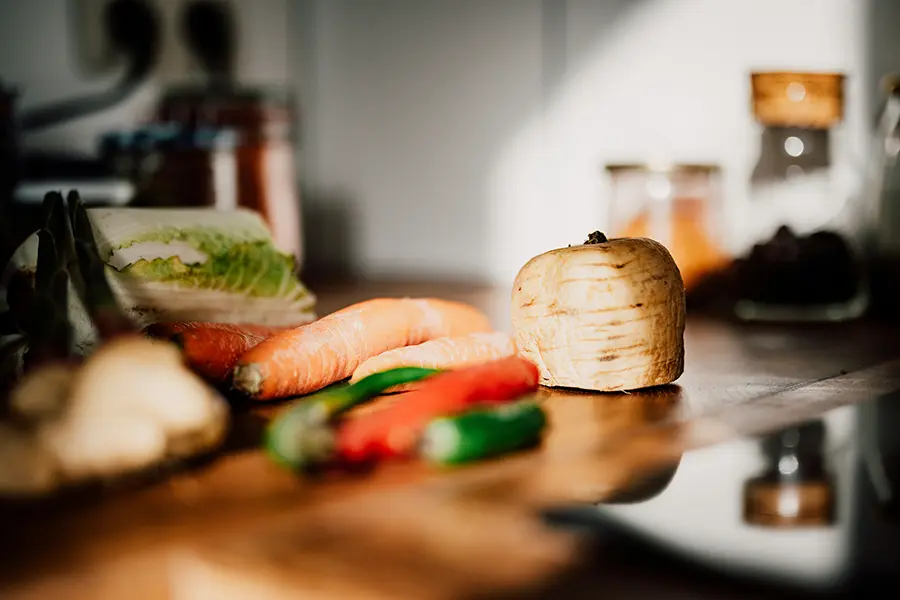
Many Canadians respond to this challenge by rethinking how they organize ingredients. Instead of relying on spontaneous shopping trips, households plan meals around foods that last longer or can be used for multiple dishes. For example, a single head of cabbage or a bag of potatoes may anchor meals throughout the week. One day it becomes soup, the next day a pan of roasted vegetables, and later part of a sauté tossed with whatever leftovers remain in the fridge.
In many homes, this approach isn’t seen as restrictive—it’s simply efficient and comforting. It builds a rhythm that mirrors winter itself: steady, reliable, warm, and unhurried.