A Skilled Workforce Comfortable With the Demands of Sci-Fi
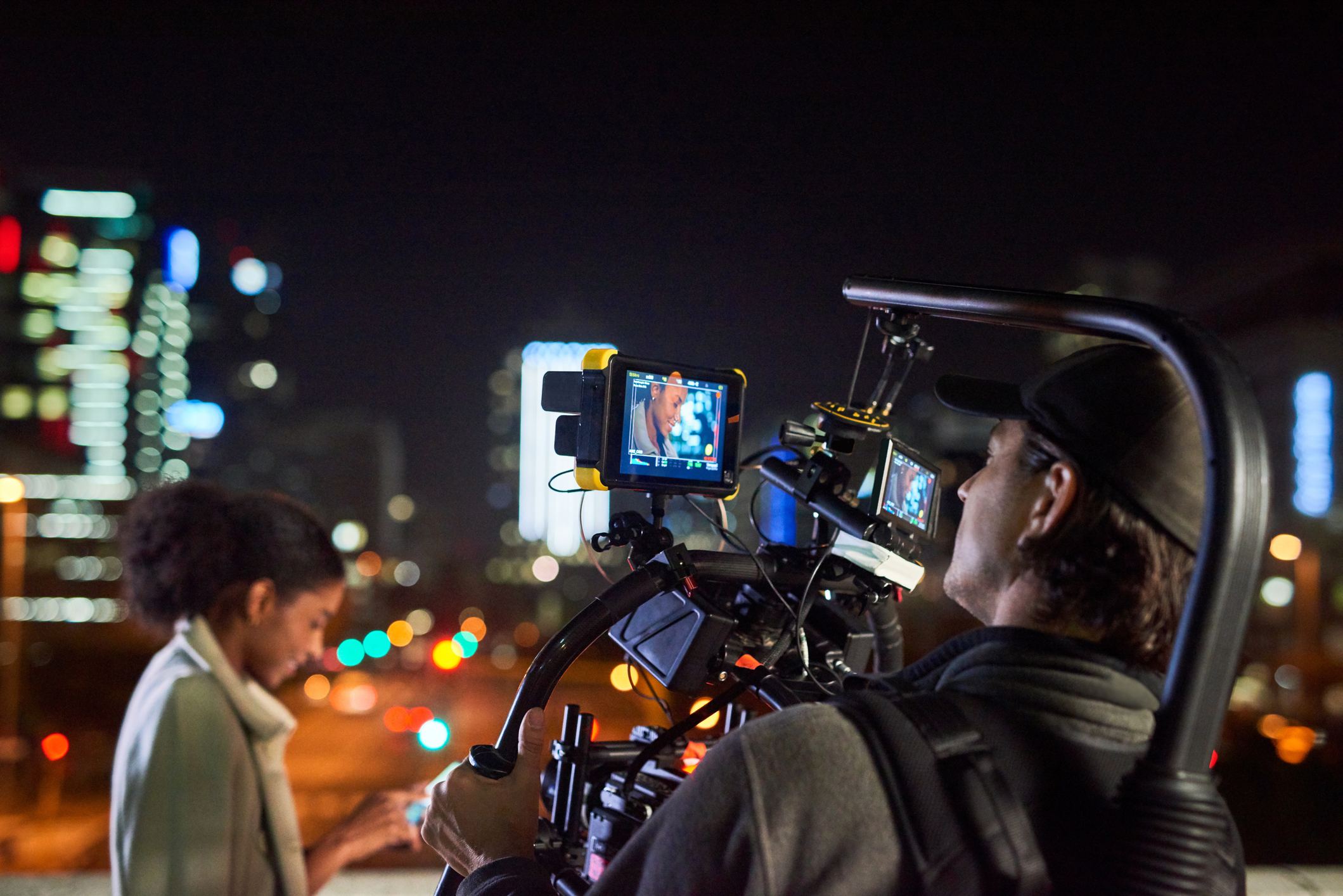
The city’s long history with television production has shaped a workforce that understands the challenges of genre storytelling. Unlike straightforward dramas, sci-fi series often require actors to interact with imaginary creatures, sets full of green screens, and props that represent advanced technology. Local crews — from camera operators to stunt coordinators — are used to working in this environment.
Advertising
Vancouver’s makeup and prosthetics specialists are also highly experienced. Many have spent years creating creatures, future technologies, and alternate-world characters that must look convincing under high-definition cameras. Their ability to strike the right balance between the strange and the believable has helped many shows gain international audiences.
Sound designers in the region have similarly carved out a reputation for atmospheric work. Sci-fi series often rely on detailed soundscapes — humming neon lights, strange environmental drones, mechanical pulses, holographic interfaces — and Vancouver’s audio teams are adept at creating immersive worlds that enhance the storytelling.
Studios Expanding to Meet Demand
As sci-fi productions increase, the city’s infrastructure has grown to accommodate them. Several large studios have expanded or opened new stages specifically designed for high-concept television. These spaces include towering soundstages that can house multi-level spacecraft interiors, futuristic laboratories or enormous alien structures.
One studio in Burnaby recently added a dedicated motion-capture stage, providing local productions with a resource that previously required travel to other major cities. This addition means Vancouver can now fully support series that rely heavily on digital characters or creature performances.
A studio in Richmond has become known for its flexible LED-wall environments — technology that allows digital landscapes to be displayed around performers in real time, reducing the need for travel while giving actors more visual reference than traditional green screens. While this technology is still relatively new, Vancouver technicians and set designers have quickly adapted to it, building bespoke environments that support everything from cyberpunk street scenes to rotating space-station corridors.
Writers and Directors Finding Creative Freedom
Vancouver’s sci-fi boom is not solely technical — it’s also artistic. Many writers and directors say the region provides a supportive environment where imaginative ideas can be developed without unnecessary constraints.
Part of this comes from the city’s proximity to a wide range of creative communities. Indie film groups, digital-effects collectives, animation studios, graphic novel artists and theatre performers all contribute to a culture where speculative storytelling feels natural. Creative teams often cross-collaborate, bringing techniques from theatre, experimental film and even video games into the television world.
Writers appreciate that Vancouver has space — physical and creative — to test ideas, work with conceptual designers, and develop worlds from the ground up. This approach has led to several series being praised for their detailed world-building and unconventional visual identities.
A Hotbed for Visual Effects Innovation
One of the strongest pillars supporting Vancouver’s sci-fi rise is its visual-effects industry. The city is home to multiple globally recognized VFX studios responsible for creature animation, digital environments, spacecraft design, futuristic cityscapes and simulation-heavy sequences.
These studios collaborate closely with production crews from the earliest stages. Concept artists sketch worlds weeks before shooting begins. On-set supervisors guide lighting decisions to ensure digital elements blend seamlessly with practical footage. Compositors refine scenes frame by frame to maintain a consistent visual tone.
Because Vancouver hosts both the filming and much of the VFX work, communication is more direct. Directors and cinematographers can visit the VFX studios during post-production, making adjustments quickly and ensuring creativity flows both ways. This closeness between departments is part of why the region has been trusted with increasingly ambitious projects.
Casting Local Talent for Complex Roles
Sci-fi characters often require nuanced performances — individuals who must navigate alternate realities, futuristic conflicts, or emotional journeys shaped by high-concept scenarios. Vancouver’s acting community includes performers who have developed these skills through years of working on genre series.
Casting directors note that local actors understand how to deliver emotional truth even when the scene involves imaginary technology or otherworldly environments. This ability makes the region attractive for producers who want performers able to ground complex material.
Background actors also play an essential role, especially for large dystopian crowd scenes, futuristic marketplaces, or rebel hideouts. Their reliability and comfort with unusual wardrobe pieces — exoskeletons, alien masks, holographic projectors — adds to the authenticity of the shows.
Production Designers Shaping Entire Worlds
One of the most celebrated aspects of Vancouver’s sci-fi scene is the creativity of its production designers. Their workshops are full of blueprints for starships, strange scientific tools, underground facilities, and mysterious artifacts. Teams of carpenters, painters and sculptors collaborate to build worlds with layers of detail that reward close viewing.
Designers often work with natural materials from the region — weathered wood, metal from industrial yards, stone textures — reimagining them into futuristic or alien environments. The approach gives Vancouver-shot sci-fi a distinctive tactile quality that sets it apart from productions relying entirely on digital environments.
Community Influence and Local Enthusiasm
Sci-fi has long had an enthusiastic fan base in Vancouver. Comic conventions, indie sci-fi film festivals, creative writing groups and cosplay communities contribute to a lively cultural scene that supports genre projects. Many of the artists and technicians working on major sci-fi shows first developed their passion at local events, school clubs or community theatres with futuristic themes.
The presence of these communities creates a feedback loop: as more shows are produced locally, the local fan base grows, and as the fan base grows, more creative talent emerges.
The City’s Growing International Recognition
With each passing year, Vancouver’s contributions to science fiction television become more widely recognized. International audiences increasingly associate the city with imaginative storytelling and atmospheric worlds. Producers from different countries come to scout locations or meet with local studios, curious about the region’s creative environment.
This recognition has led to new collaborations, giving local crews experience with wide-ranging styles of sci-fi — from grounded, near-future stories to expansive space epics. The variety challenges artists to refine their skills and encourages experimentation in both practical and digital techniques.
Looking Forward: A Landscape of Expanding Possibilities
As demand for sci-fi television continues, Vancouver is preparing for an even busier future. New stages are under construction, visual-effects houses are growing their teams, and creative professionals are exploring ways to merge traditional filmmaking with emerging technologies such as real-time rendering and virtual production.
What makes Vancouver’s sci-fi industry especially fascinating is its balance: grounded in a strong production tradition yet always open to new ideas. The result is a thriving ecosystem where storytellers can explore unknown worlds, ambitious ideas and imaginative scenarios in ways that feel fresh and grounded.
Whether filming in a rainforest that doubles as an alien wilderness or inside a studio where an LED wall simulates a distant galaxy, teams in Vancouver are shaping science fiction for global audiences — not through grandiosity, but through craft, dedication and collective creativity. Behind the scenes, the city’s growing sci-fi industry stands as a reminder that compelling storytelling emerges from collaboration, curiosity and the desire to push creative boundaries, no matter how unusual the setting may be.