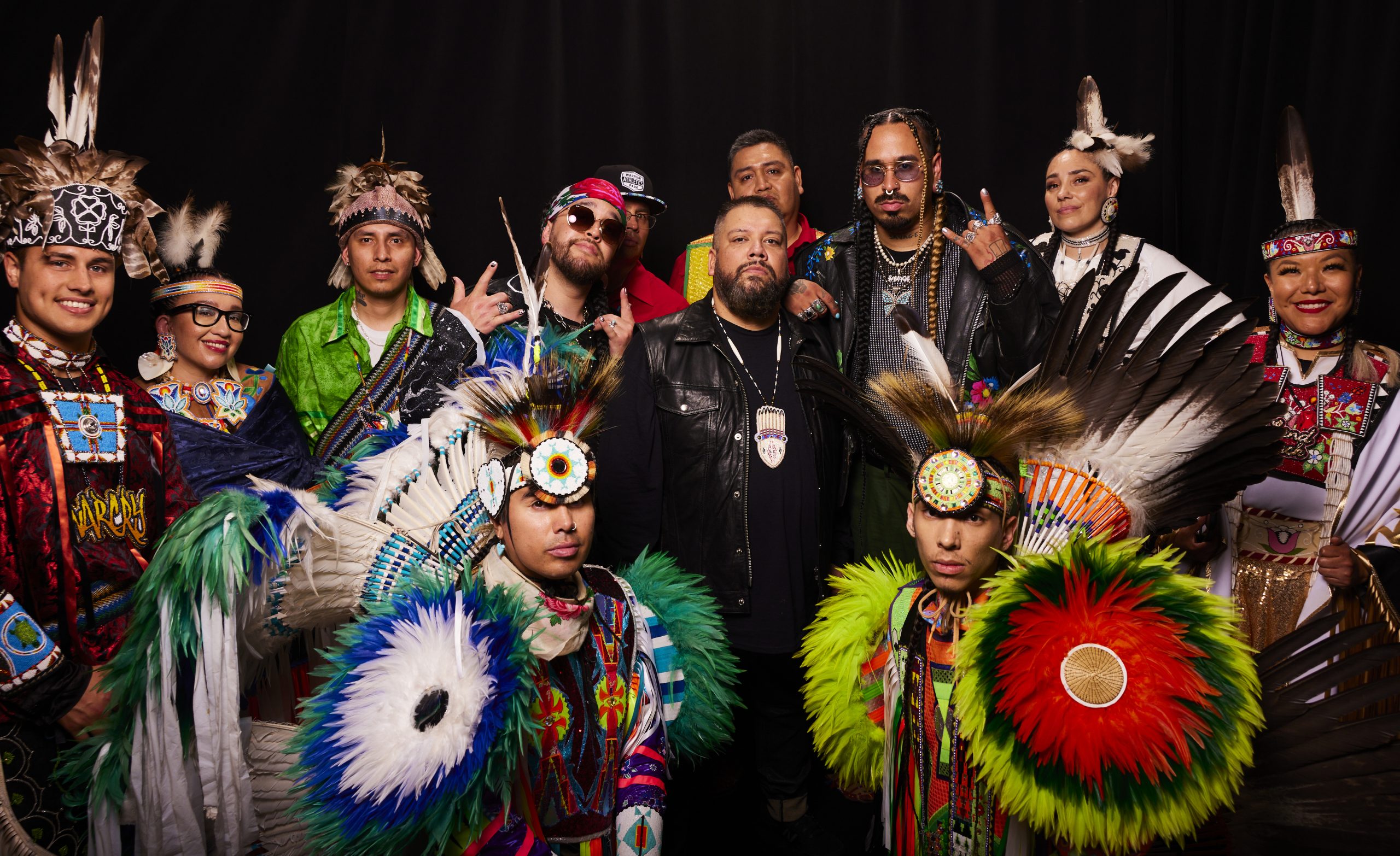
Music Rooted in Community and Modern Identity
A notable example from this year’s lineup is a singer-songwriter from Nunavut whose haunting, layered vocals — mixing throat singing techniques with contemporary arrangements — captivated television audiences. Her performance sparked conversations online, with many viewers discovering her music for the first time despite her established presence in northern communities for over a decade. The emotional connection she created in just a few minutes illustrates how deeply rooted cultural practices can resonate when shared on a national stage.
Advertising
Another standout artist is a Métis guitarist known for blending acoustic storytelling with rhythmic influences from across the Prairies. His nomination in the “Album of the Year” category (a category once dominated almost exclusively by mainstream pop and rock acts) marks a significant recognition of artistic range. During interviews, he emphasized the importance of working closely with Elders and youth from his community, noting that his music grows from collective experience rather than individual pursuit.
Hip-hop artists from Indigenous communities have also gained momentum. Their work often addresses topics such as language revitalization, land protection, urban Indigenous identity and intergenerational strength. One group from British Columbia delivered a performance combining rap, spoken word and traditional drum rhythms — a combination that struck audiences with its emotional force.
Film and Television: Stories That Shift the Cultural Narrative
Beyond music, Indigenous filmmakers and actors continue to shape national award landscapes. This year’s ceremonies recognized several productions exploring themes of community, healing, humour and resilience through Indigenous perspectives.
A feature film written and directed by a Cree filmmaker received nominations in multiple categories, including directing, acting and cinematography. The film’s portrayal of a family navigating complex emotional ties on the northern plains captivated critics for its sincerity and grounded storytelling. Cinematographers noted the film’s striking use of natural light — particularly dusk scenes that capture subtle transitions between day and night.
Documentaries have also gained increasing attention. One recent nominee follows the journey of language learners of all ages reclaiming their ancestral tongues. The filmmakers collaborated closely with language keepers, singers, and youth groups, ensuring that the documentary reflected lived experience rather than an outsider’s interpretation. Its presence at national award shows signalled a growing appreciation for stories that honour cultural knowledge and community-based filmmaking.
Television productions have shifted as well. Indigenous-led comedy series, dramas and children’s shows are receiving nominations that reflect the creative strengths of their teams. Their visibility on award nights introduces new audiences to programmes shaped by Indigenous humour, worldviews and relationships — areas often overlooked in mainstream programming but celebrated by viewers seeking authentic storytelling.
Fashion, Design and Cultural Expression on the Red Carpet
Red carpets have also become important stages for Indigenous creatives. Instead of relying solely on international fashion labels, celebrities and presenters are increasingly wearing clothing and accessories designed by Indigenous artists. Beaded earrings, caribou tufting, sealskin footwear, ribbon skirts and embroidered jackets have appeared on broadcasts with growing frequency.
For many designers, national award shows offer a chance to share the stories behind their work. One Inuk designer discussed how her pieces reflect seasonal cycles in the North, incorporating patterns inspired by shorelines and winter skies. Another designer from Treaty 6 territory created hand-beaded pieces based on traditional stories taught within her family. These designs aren’t mere fashion statements — they are expressions of cultural identity and community continuity.
By wearing these pieces on national platforms, presenters and nominees contribute to a broader appreciation of Indigenous design, while supporting artists who often work with limited resources and deep cultural obligations.
The Importance of Storytelling Beyond the Stage
What makes the growing presence of Indigenous artists so meaningful is that it reflects not just aesthetic contribution but narrative depth. Art is a powerful form of storytelling, and these creators bring stories rooted in land, community and history. Their presence at national award shows offers the public a chance to listen, learn and reflect.
Indigenous performers often use award-show platforms to highlight issues affecting their communities — from language preservation to environmental concerns — but they do so through the lens of artistry rather than political messaging. Their speeches and performances connect personal experience with broader themes, reminding audiences that creative work is inseparable from lived reality.
In one memorable acceptance speech, an artist spoke about the Elders who encouraged her to pursue music even when resources were limited. She shared how she recorded early songs in community halls and school gyms, supported by neighbours who helped set up microphones and made tea for rehearsals. Her words underscored the fact that national recognition is not an individual accomplishment but a communal journey.
Collaboration and Mentorship Strengthening the Next Generation
Mentorship has become a vital part of this artistic shift. Established Indigenous creators are working directly with emerging artists, helping them navigate the industry, understand contracts, and preserve cultural integrity in collaborative environments. Some mentorship initiatives pair youth with cinematographers, musicians or costume designers who share knowledge passed down across generations.
National award shows have started highlighting these mentorship programs, giving viewers insight into how creative ecosystems sustain themselves. Youth who participate in these initiatives often attend the ceremonies, providing them with early exposure to the professional world and the confidence to pursue their own artistic goals.
One young performer from Saskatchewan described how mentorship changed her path. She began singing at community gatherings and was later invited to a songwriting workshop led by a well-known Indigenous musician. The workshop encouraged her to explore themes from her family history, leading to her first recorded song. Less than two years later, she walked the red carpet for the first time.
A Cultural Shift in the Industry
The impact of Indigenous artists at national award shows goes beyond visibility. It marks a broader cultural shift in the entertainment industry. Organizers are hiring Indigenous consultants, expanding nomination categories, and creating more equitable judging processes. These changes aim to ensure that representation is not a temporary trend but a sustained commitment.
Broadcasters have also noted that audiences respond strongly to diverse programming. Viewers appreciate stories that reflect the reality of life across the country, including experiences that have been overlooked for too long. This shift in audience interest encourages producers and networks to invest in Indigenous-led projects.
Looking Ahead: A Growing Presence and Expanding Opportunities
The momentum behind Indigenous representation shows no signs of slowing. New music collaborations, film projects, theatre productions and fashion initiatives are already generating excitement for the next award season. Artists across generations — from emerging voices to long-established creators — are shaping a landscape in which cultural diversity is not simply acknowledged but actively celebrated.
For many viewers, the presence of Indigenous artists at national award shows offers a more complete picture of the country’s artistic identity. These creators bring depth, humour, emotional truth and imaginative brilliance that enrich the cultural fabric of national ceremonies.
As this movement continues, award shows are becoming places where audiences can encounter stories that honour traditions while embracing the present. The voices rising on these stages contribute to a broader understanding of identity, resilience and creativity — and they are reshaping the future of national arts recognition in profound and inspiring ways.