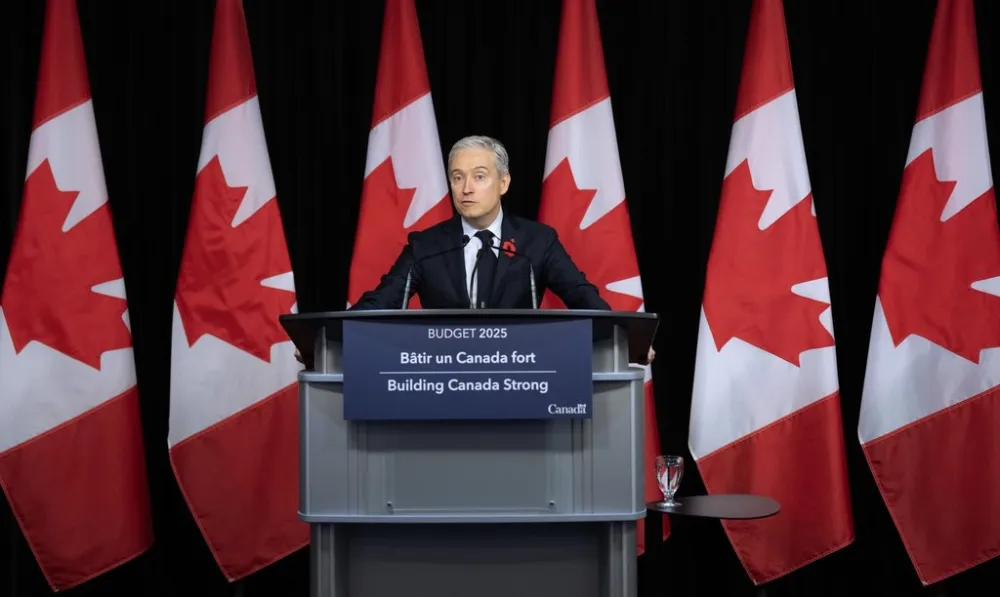
Federal and Provincial Funding Dynamics
Healthcare in Canada is primarily a provincial responsibility, but federal transfers and programs play a crucial role. The winter parliamentary session is highlighting debates on how best to structure funding for rural healthcare:
Advertising
-
Targeted Grants and Programs
Federal initiatives such as the Canada Health Transfer support provincial healthcare budgets, but there is debate over whether allocations adequately reflect rural needs. Proposals for targeted funding aim to enhance local clinics, improve telemedicine access, and support rural-specific training programs. -
Incentives for Rural Practice
Funding strategies increasingly focus on incentivizing healthcare professionals to work in rural regions. Programs include tuition subsidies, relocation allowances, and loan forgiveness for physicians and nurses who commit to extended rural service. -
Infrastructure Investments
Modernizing rural hospitals and clinics requires significant investment. Funding priorities include upgrading diagnostic equipment, improving emergency response capabilities, and expanding telehealth infrastructure to reduce travel burdens for patients. -
Addressing Indigenous Health Disparities
Many Indigenous communities are located in remote regions, where healthcare access is limited. Parliament is reviewing funding allocations specifically for on-reserve healthcare facilities, culturally sensitive care, and mobile health units.
Community Perspectives and Concerns
Local communities have voiced a mix of optimism and skepticism regarding proposed funding measures:
-
Rural Municipalities: Mayors and councils stress that additional funds must translate into tangible improvements, including more doctors, extended clinic hours, and modernized facilities.
-
Residents: Patients highlight the daily challenges of traveling long distances for care, sometimes in hazardous winter conditions, and the stress caused by limited access to specialists.
-
Healthcare Workers: Professionals emphasize that funding alone is insufficient; supportive working conditions, professional development opportunities, and community integration are essential to retain staff.
The Role of Telemedicine
Telemedicine has become a key component of rural healthcare strategies, particularly after the COVID-19 pandemic. Virtual consultations reduce travel burdens, allow timely access to specialists, and can bridge service gaps. Funding for telemedicine infrastructure—including high-speed internet, secure communication platforms, and training—is a central discussion point in Parliament.
Dr. Sullivan notes, “Telemedicine isn’t a replacement for in-person care, but it significantly improves access for patients who live hours from the nearest hospital or specialist. Adequate funding and technological support are critical for its success.”
Challenges in Funding Allocation
While additional funding is widely supported, debates continue over allocation methods:
-
Equity vs. Efficiency: How can limited resources be distributed fairly across regions with varying populations and needs?
-
Short-Term vs. Long-Term Planning: One-time grants may provide temporary relief, but sustainable funding models are necessary to address systemic gaps.
-
Balancing Urban and Rural Needs: Policymakers must reconcile the pressing demands of urban healthcare systems with rural disparities.
Economist Dr. Nathaniel Roy explains, “Funding decisions are as much about strategic planning as they are about dollars. Investments in rural healthcare need to consider retention, infrastructure, and long-term sustainability, not just immediate service delivery.”
Case Studies from Across Canada
Several provinces have implemented innovative strategies that illustrate potential approaches:
-
Alberta: Introduced incentive packages for healthcare professionals in rural towns, including relocation support and professional development programs.
-
Nova Scotia: Expanded telehealth services, connecting patients in remote communities with urban specialists via secure video platforms.
-
Saskatchewan: Launched mobile clinics for seasonal and geographically dispersed populations, addressing gaps in primary care and preventive services.
-
Northern Quebec: Developed partnerships with Indigenous communities to provide culturally sensitive care and on-the-ground medical support in remote areas.
These examples highlight the importance of tailoring funding and policy initiatives to local needs while integrating broader provincial and federal support.
Public Opinion and Advocacy
Rural healthcare has become a prominent concern in public discourse. Advocacy groups, patient associations, and professional organizations are actively engaging with policymakers:
-
Grassroots Campaigns: Residents use petitions, town halls, and media outreach to highlight deficiencies and advocate for targeted funding.
-
Professional Associations: Medical and nursing organizations provide data and recommendations to inform evidence-based policy.
-
Indigenous Leaders: Emphasize the importance of culturally appropriate care and the need for dedicated investment in remote communities.
These efforts have amplified the urgency of discussions in Parliament, shaping the agenda for winter legislative sessions.
Potential Outcomes of the Winter Session
As debates unfold, potential outcomes include:
-
Increased Targeted Funding: Direct grants to rural hospitals, clinics, and telemedicine infrastructure.
-
Expanded Incentive Programs: Enhanced support to attract and retain healthcare professionals in rural and remote communities.
-
Policy Reforms: Updates to healthcare delivery frameworks, including provincial-federal collaboration models and emergency response protocols.
-
Integration of Technology: Significant investment in telehealth and digital record-keeping to improve service efficiency and patient outcomes.
The success of these measures will depend on collaboration between federal, provincial, and local authorities, as well as engagement with the communities they serve.
Conclusion
Discussions around rural healthcare funding underscore the complexity of delivering equitable medical services across Canada’s diverse geography. Challenges such as provider shortages, infrastructure gaps, and regional disparities require strategic, long-term solutions.
Parliament’s winter session provides an opportunity to advance policies that prioritize access, sustainability, and quality of care in rural regions. As Dr. Megan Sullivan emphasizes, “Rural healthcare isn’t a secondary concern; it’s a critical part of Canada’s national health system. Adequate funding, thoughtful planning, and community collaboration are essential to ensure that all Canadians, regardless of location, receive the care they need.”
For residents, healthcare professionals, and policymakers alike, the coming months will be pivotal in shaping a more inclusive and resilient healthcare landscape that bridges the urban-rural divide and meets the evolving needs of Canadians across the country.