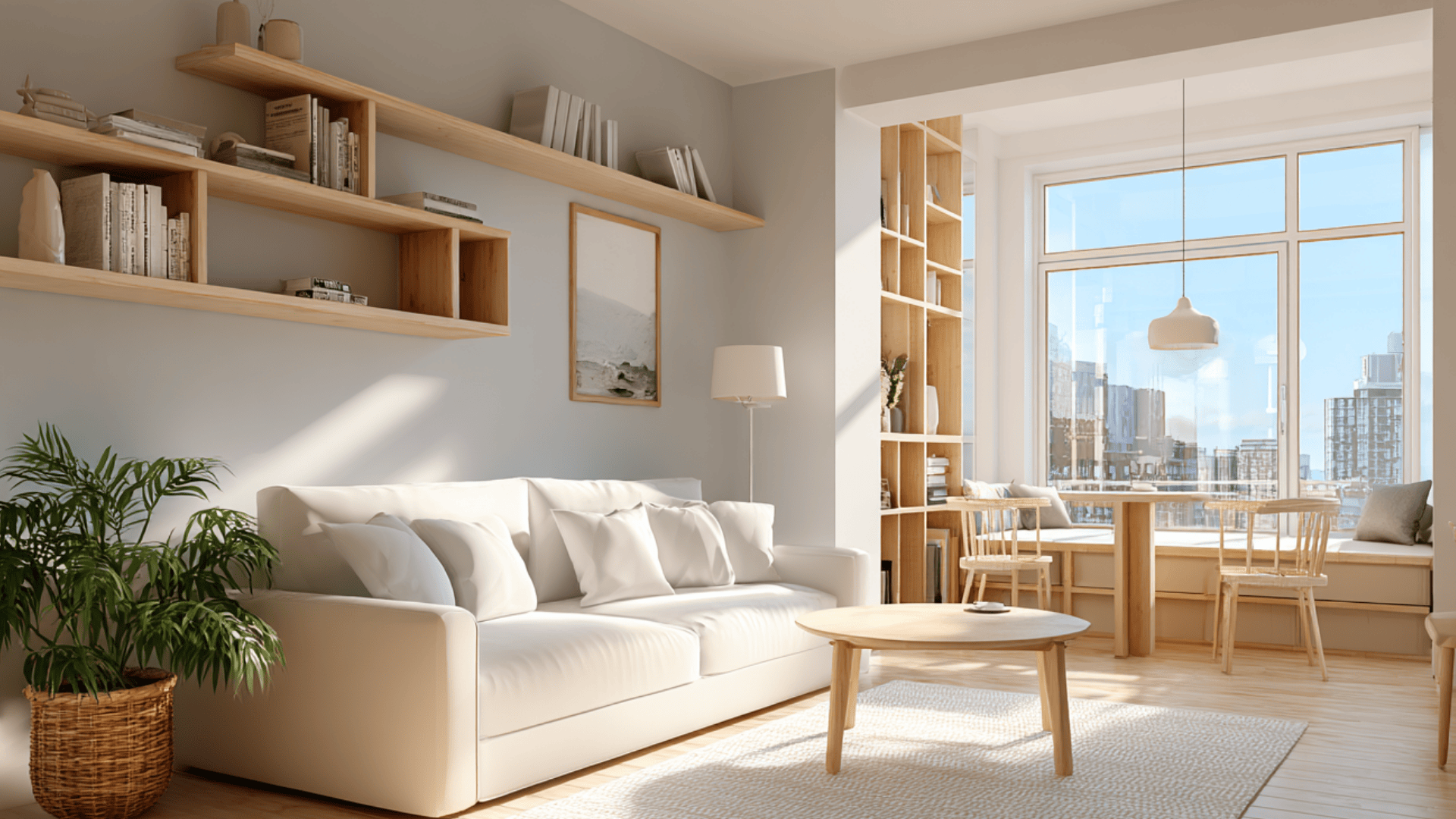
The Power of Multi-Purpose Zones
One of the biggest misconceptions about small apartments is that every square meter needs a dedicated purpose. In reality, the most comfortable compact homes are the ones that allow spaces to shift according to the moment.
Advertising
For example:
-
A dining table can double as a desk.
-
A windowsill can act as a reading nook.
-
A kitchen counter corner can become a coffee station.
-
A section of wall can serve as both décor display and storage.
Instead of trying to replicate the layout of a larger home, small-space living encourages creative blending. The goal is not to have a room for everything, but to make every room capable of supporting more than one activity.
The key to achieving this is flexibility. Lightweight furniture, folding chairs, rolling carts, and modular shelves allow your apartment to adapt without feeling cramped.
Choosing Furniture That Works Harder Than You Do
The difference between an organized small apartment and an overwhelming one often comes down to furniture selection. Every piece that enters the home should earn its keep. Canadians in compact units have become experts in choosing items that deliver multiple functions without crowding the room.
Some favourites include:
-
Storage ottomans for blankets, books, or seasonal items
-
Nesting tables that tuck away when not needed
-
Sofas with hidden compartments for bedding or electronics
-
Murphy beds or fold-down desks for reclaiming floor space
-
Wall-mounted nightstands and shelves to open up the room’s footprint
-
Benches with built-in drawers for entryways or dining corners
Functional furniture is not just practical—it changes the psychology of the space. When every item has a purpose, the room feels calm rather than chaotic.
Smart Storage: The Heart of a Comfortable Small Apartment
Storage is the foundation of organization, especially in tight spaces. But it’s not only about having enough storage; it’s about making the right kind of storage accessible and intuitive.
Canadians living in smaller homes often use a layered approach:
1. Vertical Storage
Walls are one of the most underused areas in compact apartments. Tall bookshelves, floating shelves, pegboards, and hanging racks can create structured storage without encroaching on the floor. Even a narrow strip between a door and a corner can hold hooks, baskets, or slim organizers.
2. Hidden Storage
Under-bed boxes, rolling bins, and fabric cubes make use of areas that often go to waste. These spaces are perfect for items you don’t need every day but don’t want to lose track of.
3. Everyday Storage Stations
Small habits become easier when your home supports them. A tray for keys by the door, a basket for mail, a stand for frequently worn shoes, or a drawer for chargers keeps daily life smooth and predictable.
4. Kitchen and Bathroom Efficiency
Compact kitchens and bathrooms can feel cramped quickly, but smart organization makes them surprisingly manageable:
-
Over-the-door spice racks
-
Magnetic strips for knives or metal tools
-
Tiered storage under sinks
-
Stackable organizers for small items
-
Tension rods to hang spray bottles or cleaning cloths
These small additions dramatically reduce clutter.
Light, Colour, and Texture: Designing Comfort Without Expanding the Walls
Even the best organizational systems fall short if the space feels dark or heavy. Light is the single most powerful tool for creating comfort in a small home.
Natural light should be kept as open as possible. Sheer curtains, raised blinds, and uncluttered window areas make an enormous difference. Artificial lighting matters as well—using multiple soft light sources throughout the apartment creates depth and warmth.
Colour also shapes comfort. Light neutrals open the visual field, while deeper tones used strategically can create cozy, defined corners without overwhelming the room. Textures matter too: soft throws, woven baskets, wool rugs, and wooden elements introduce warmth that makes even the smallest apartment feel welcoming rather than crowded.
Decluttering With Intention (Not Minimalism for Minimalism’s Sake)
Small apartments don’t require minimalism; they require intention. The most comfortable homes aren’t empty—they’re thoughtfully edited.
Canadians who thrive in smaller spaces often follow simple principles:
-
Keep what you use regularly. If it supports your routines, it earns space.
-
Display what brings you joy. Books, plants, art, and meaningful items belong in sight.
-
Store what you need but don’t use daily. Seasonal clothing, bulky blankets, and spare bedding can stay tucked away.
-
Let go of what drains your space. Duplicates, broken items, or objects kept out of guilt weigh the home down.
Decluttering isn’t about living with as little as possible; it’s about surrounding yourself with what genuinely fits your life.
Small Apartments Benefit From Defined Boundaries
Even a studio can feel like it has separate rooms when boundaries are placed thoughtfully. These boundaries don’t have to be physical walls.
Some easy ways to divide space include:
-
Area rugs to define living and sleeping zones
-
Curtains or room dividers that can be opened or closed
-
Bookshelves that double as partitions
-
Changes in lighting for different activities
-
Furniture placement that guides movement
Defined zones make a home feel larger and more intentional, even when everything technically exists in one room.
The Emotional Side of Compact Living
Comfort in a small apartment isn’t only about furniture or layout. It’s about how the space makes you feel. A well-organized small home encourages relaxation, routine, and pride. It reduces stress by eliminating constant visual noise and helps you appreciate the items that matter most.
Many people find that living in a smaller space deepens their connection to their home. Every decision becomes meaningful, and every change has an immediate impact. When a room is easy to clean, when your favourite items are within reach, and when your home supports your habits instead of hindering them, comfort comes naturally.
Creating Rituals That Suit the Space
The best-organized small apartments are built around the everyday rituals of the people living in them. Whether it’s a morning coffee routine, a weekly tidy-up, or a habit of keeping the entryway clear, rituals help maintain order without forcing strict rules.
For example:
-
A nightly five-minute reset can transform mornings.
-
A dedicated basket for “things leaving the house” prevents clutter.
-
A weekly fridge check reduces waste and frees kitchen space.
-
Seasonal swaps of décor or linens refresh the atmosphere.
Rituals don’t require effort—they simply align the space with your lifestyle.
The Beauty of Compact Comfort
Organizing a small apartment for maximum comfort is not about limitations. It’s a chance to create a home that feels balanced, thoughtful, and uniquely yours. Small spaces encourage creativity, mindfulness, and an appreciation for simplicity. They reward intentional choices and offer the satisfaction of knowing that every inch supports the life you want to live.
Comfort comes not from size but from clarity. A well-organized small apartment is warm, efficient, personal, and deeply pleasant to come home to, even on the coldest nights of the Canadian winter.