Key Findings in 2025
The recent report compiles observational data, satellite tracking, and field research across multiple regions and species:
Advertising
-
Bird Migration Patterns
-
Earlier Departures and Arrivals: Many bird species, including geese and warblers, are leaving wintering grounds earlier and arriving sooner in northern breeding areas.
-
Shifts in Stopover Sites: Some birds are adjusting stopover locations to take advantage of urban parks, agricultural lands, or newly available wetlands.
-
Population Fluctuations: Certain species, such as the Canada Warbler, continue to experience declining populations due to habitat loss along migratory routes.
-
-
Caribou Herd Movements
-
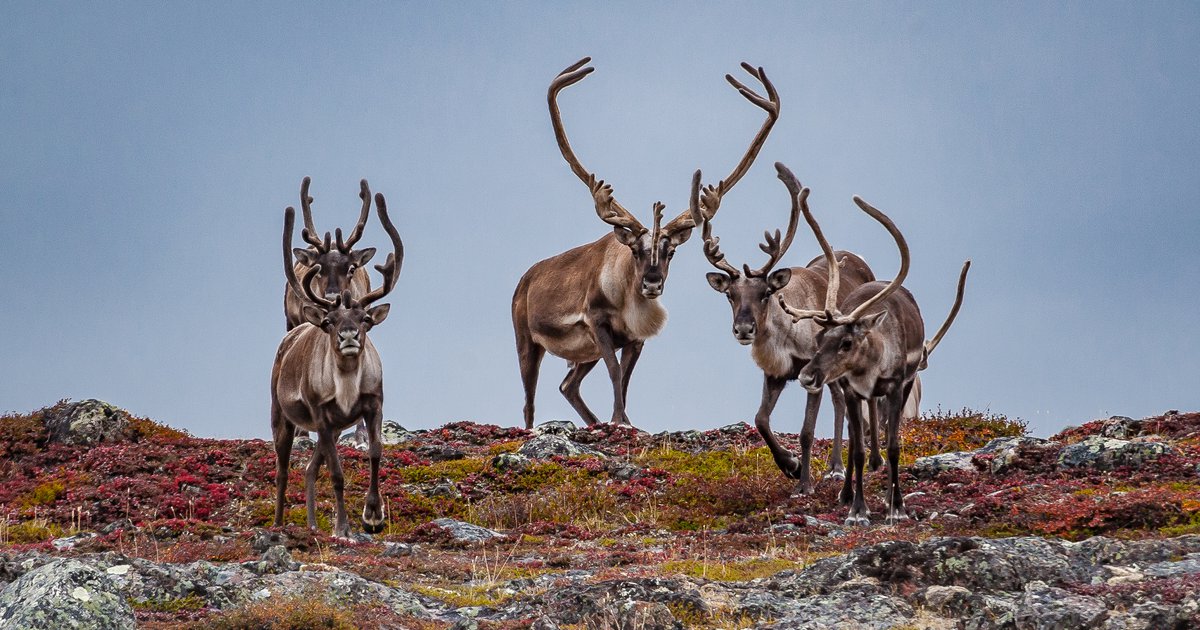
Northern caribou herds have shown changes in calving grounds, influenced by altered vegetation patterns and warming temperatures.
-
Officials note that some herds are avoiding areas with increased human activity, including mining and oil exploration, which has implications for traditional Indigenous hunting practices.
-
-
Marine Species
-
Whale Migration: Bowhead and beluga whales are arriving earlier in Arctic waters due to earlier ice melt, impacting feeding and breeding cycles.
-
Shifts in Prey Availability: Changes in plankton blooms and fish populations are forcing marine species to alter migratory paths.
-
-
Insect Migration
-
Monarch butterflies and other pollinators are experiencing altered migration timing, influenced by temperature changes and the availability of milkweed and nectar sources.
-
Officials emphasize that even minor shifts in insect migration can have cascading effects on pollination and ecosystem stability.
-
Influence of Climate Change
Climate change is a major driver behind many of the observed shifts:
-
Temperature Rise: Warmer temperatures are altering the timing of breeding and feeding cycles.
-
Habitat Changes: Deforestation, urban development, and agriculture reduce available stopover sites and feeding grounds.
-
Extreme Weather Events: Unpredictable storms and droughts can delay migration or reduce survival rates during transit.
Dr. Tremblay notes, “Migratory animals are adapting as best they can, but rapid environmental changes often outpace their ability to adjust, threatening long-term population stability.”
Indigenous Knowledge and Observations
Indigenous communities play a critical role in monitoring wildlife migration:
-
Traditional knowledge, passed down through generations, complements scientific data by providing long-term observations of animal behavior, seasonal patterns, and environmental changes.
-
Hunters and fishers report that species are appearing earlier or later than in the past, confirming satellite and observational data.
-
Collaborative programs between Indigenous communities and government scientists improve understanding of migration dynamics and inform conservation strategies.
Elder Margaret Nanabush from Nunavut emphasizes, “Our observations of caribou, fish, and birds are not just cultural knowledge—they are critical for sustainable management and survival.”
Public and Recreational Implications
Changes in migration patterns have direct impacts on Canadians who enjoy wildlife observation, hunting, and fishing:
-
Birdwatching: Shifts in timing require enthusiasts to adjust travel plans and observation schedules.
-
Hunting Seasons: Caribou, waterfowl, and deer migrations influence the timing and location of legal hunting periods.
-
Tourism and Ecotourism: Whale watching, migratory bird tours, and other seasonal activities are affected by changes in arrival and departure times.
Officials encourage the public to stay informed through wildlife agencies, local conservation groups, and citizen science programs to support monitoring efforts.
Conservation and Policy Considerations
The updated migration data has important implications for policy and conservation strategies:
-
Habitat Protection
Ensuring that critical stopover sites, breeding grounds, and feeding areas remain protected is essential for sustaining populations. -
Adaptive Management
Wildlife management plans are being adjusted to account for earlier or later arrivals, habitat shifts, and altered food availability. -
Climate Action Integration
Mitigating climate change impacts through emission reductions and ecosystem restoration is vital to preserving migratory species. -
Cross-Border Coordination
Migratory species often cross international boundaries, necessitating cooperation between Canada, the U.S., and other nations to ensure safe passage.
Technology in Monitoring Migration
Recent advances in technology have improved the accuracy and scope of migration studies:
-
Satellite Tracking: GPS collars and transmitters provide real-time data on movement patterns.
-
Drones and Remote Cameras: Capture high-resolution images of nesting sites, stopovers, and herds without disturbing wildlife.
-
Big Data Analysis: Aggregating data from multiple sources allows scientists to model migration routes and predict changes.
-
Citizen Science Apps: Public participation helps track sightings, increasing data coverage and community engagement.
Officials note that combining technology with traditional knowledge provides the most comprehensive understanding of complex migration phenomena.
Challenges and Threats
Despite progress in monitoring, wildlife migration faces ongoing threats:
-
Urbanization and Development: Roads, buildings, and infrastructure can block or fragment migratory corridors.
-
Pollution: Contaminants in air, water, and soil affect both migratory species and the ecosystems they rely on.
-
Human-Wildlife Conflicts: Increased interactions with humans, such as bird strikes or wildlife on roads, pose safety risks.
-
Invasive Species: Non-native plants and animals can alter food availability and habitat quality along migration routes.
Addressing these challenges requires coordinated efforts among governments, conservation organizations, Indigenous communities, and the public.
Looking Ahead
Wildlife officials emphasize the importance of ongoing monitoring and public engagement:
-
Long-Term Research Programs
Continuous observation ensures that trends are accurately tracked and interventions can be timely. -
Community Involvement
Citizen science programs and educational initiatives allow Canadians to participate in data collection and conservation efforts. -
Adaptive Policy Measures
Migration-informed policies can guide land use, protected areas, hunting regulations, and climate adaptation strategies. -
International Collaboration
Migratory species often traverse multiple countries, requiring joint monitoring, shared data, and coordinated protection measures.
Conclusion
The updated data on migration patterns provides a crucial window into the dynamic relationship between wildlife and changing environments. From birds and caribou to whales and monarch butterflies, shifts in timing, routes, and population dynamics signal the broader impact of climate change, habitat disruption, and human activity.
For scientists, these findings underscore the need for adaptive management, continuous monitoring, and innovative conservation strategies. For Indigenous communities, the data validates observations long held through traditional knowledge and supports collaborative decision-making. For the general public, it highlights both the fragility and resilience of Canada’s wildlife, reminding all Canadians of the need to act responsibly to protect the natural world.
As Dr. Tremblay notes, “Understanding migration is about understanding the health of our ecosystems. When migratory species struggle, the entire environment is affected. Protecting these patterns is essential for the well-being of both wildlife and people.”
Canada’s new migration insights mark a significant step forward in conservation science, offering guidance for policies, community engagement, and international collaboration in the years to come.